
GEOLOGY
The ancient granite monoliths
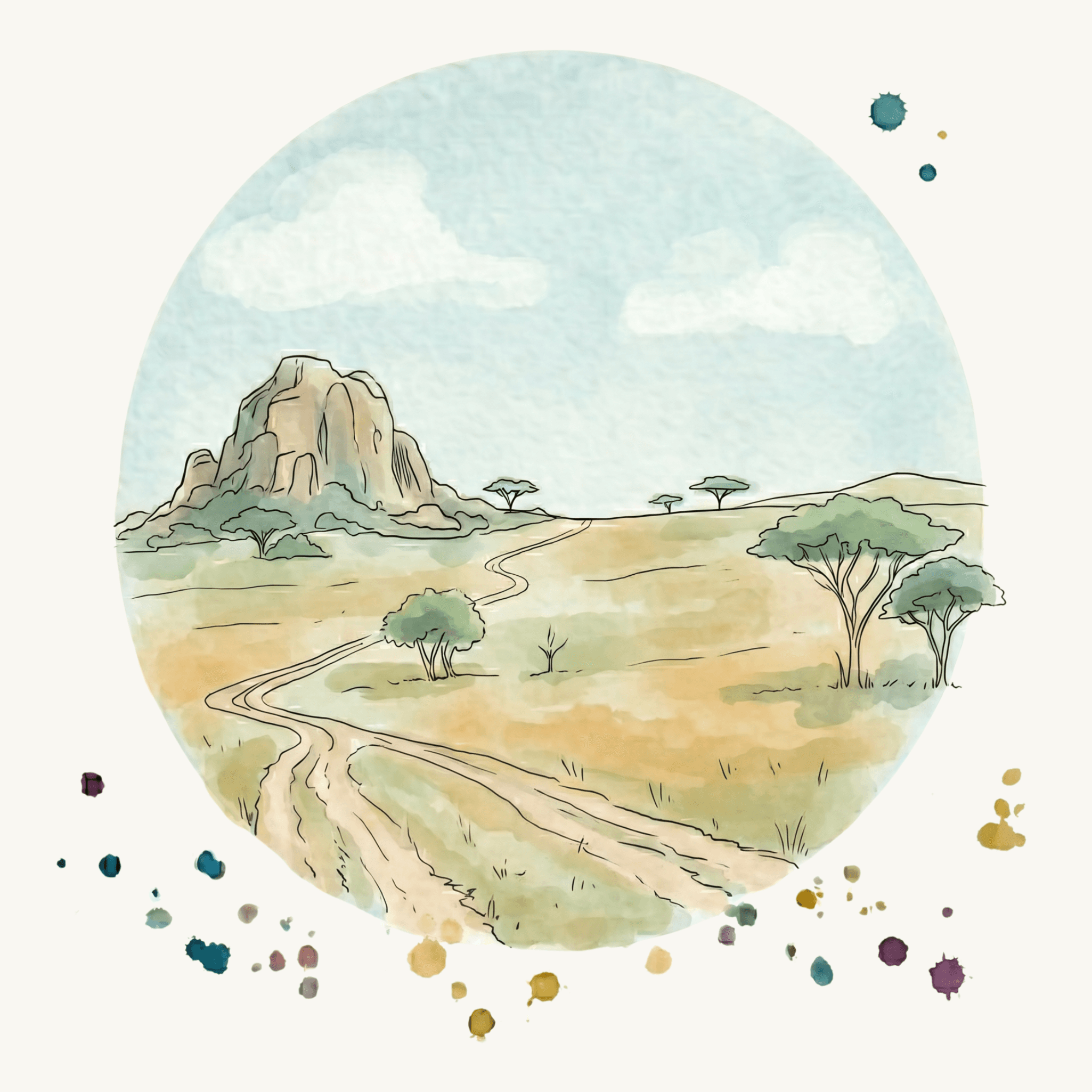
They are a striking sight as you have entered the Serengeti through the Naabi Gate and driven down the hill towards the plains: The kopjes. Polished-looking, grey, rounded clusters of granite boulders rise from the surrounding grasslands like islands in an ocean.
The plains of the eastern Serengeti consist largely of thick layers of volcanic ash, believed to originate from the Oldoinyo Lengai volcano and spread across large areas by the prevailing easterly winds.
The characteristic formations called kopjes are remnants of massive bodies of molten rock that were pushed up from deep within the Earth’s interior into the crust hundreds of millions of years ago. There, they cooled slowly underground, forming solid, hard rock such as granite. Over millions of years, the forces of nature - wind, water and the relentless African sun - have gradually worn away the overlaying and surrounding softer material, exposing these ancient granite formations. Because the granite is far more resistant to weathering, the kopjes remain while the surrounding landscape slowly but steadily becomes flatter.
In this climate, the exposed rocks are subject to a continuous cycle of heating up and cooling down, causing the outer layers of the granite to crack and peel away, creating the characteristic rounded, dome-like shapes.
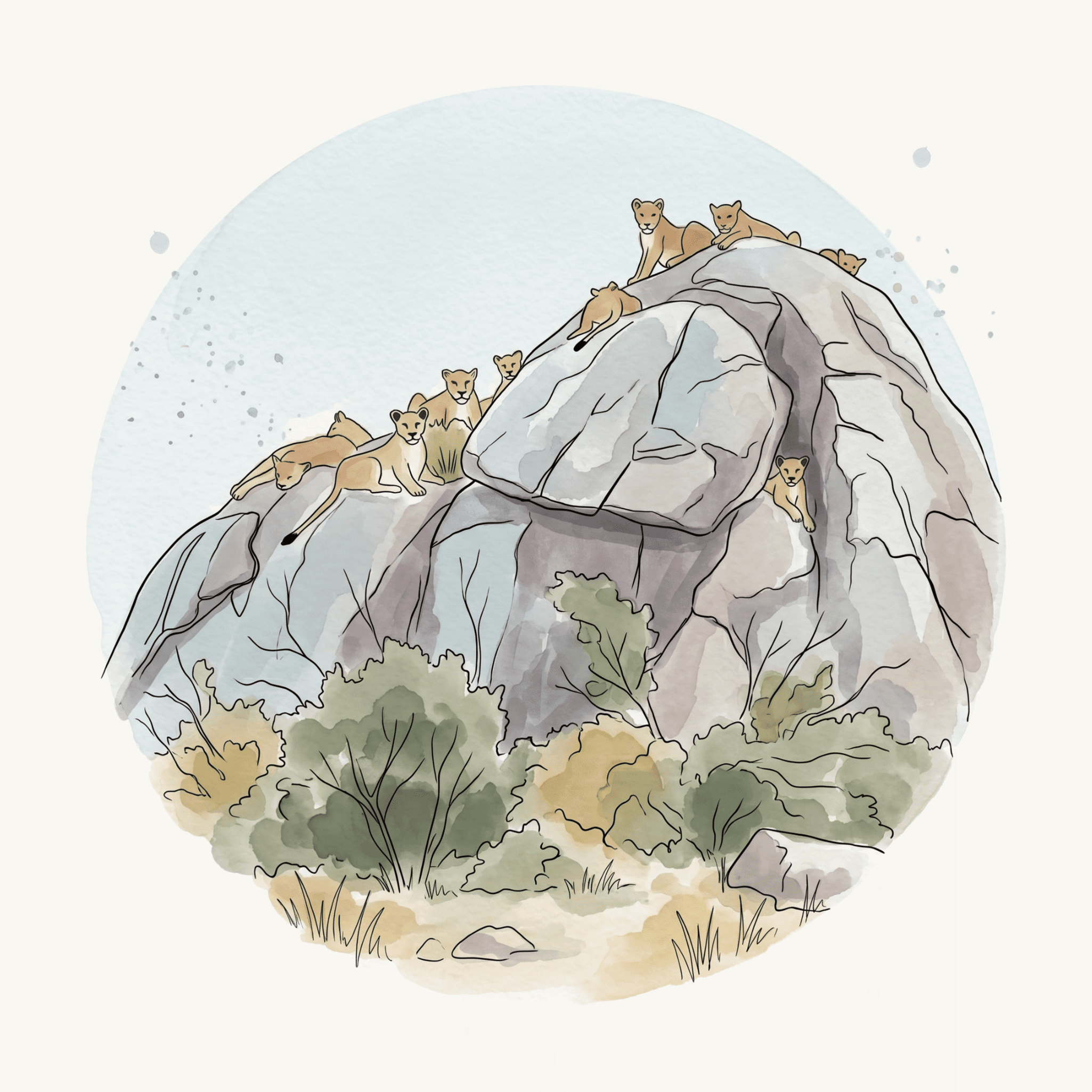
Today, these granite monoliths do far more than create a spectacular landscape. They are ecological havens, providing both home and shelter for the wildlife of the Serengeti. The top of a kopje is a perfect, safe place for a pride of lions to rest after a morning spent feasting on the plains below.
It is also an optimal vantage point for a leopard or a cheetah on the hunt. From up there, they can easily scan the savannah for prey and spot potential dangers.
The kopjes provide warmth from the sun, cooling shade, and countless fractures and cracks in which animals can hide. A leopardess can safely leave her young cubs among the rocks while she hunts. Furthermore, the soils surrounding the kopjes trap water and nutrients, giving life to pockets of lush vegetation in an otherwise open landscape.
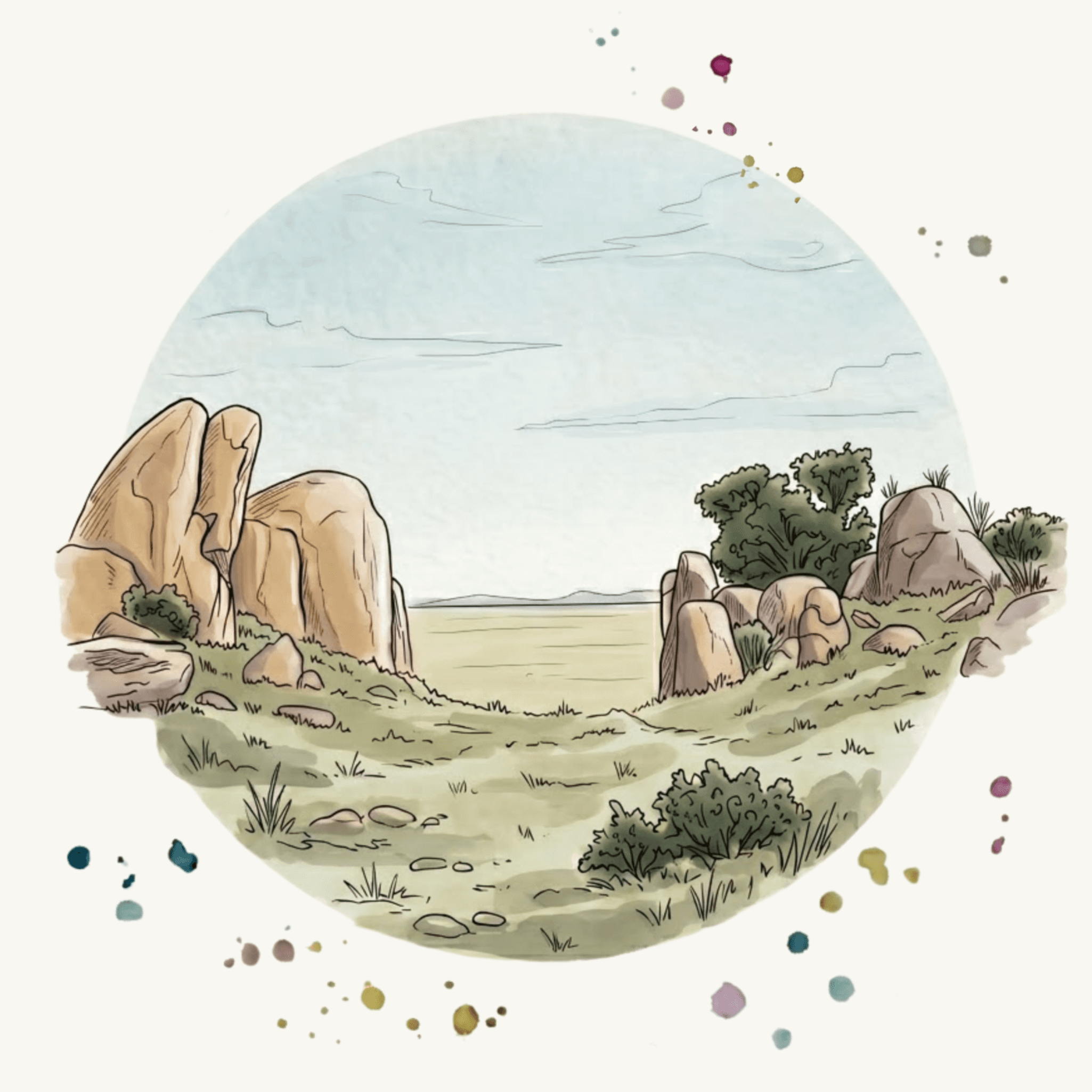
And for visitors to the Serengeti, the kopjes provide a beautiful backdrop for a bush lunch beneath the open sky - surrounded by one of Africa’s most iconic landscapes.
explore more in