PRESENCE
Reading the Wilderness
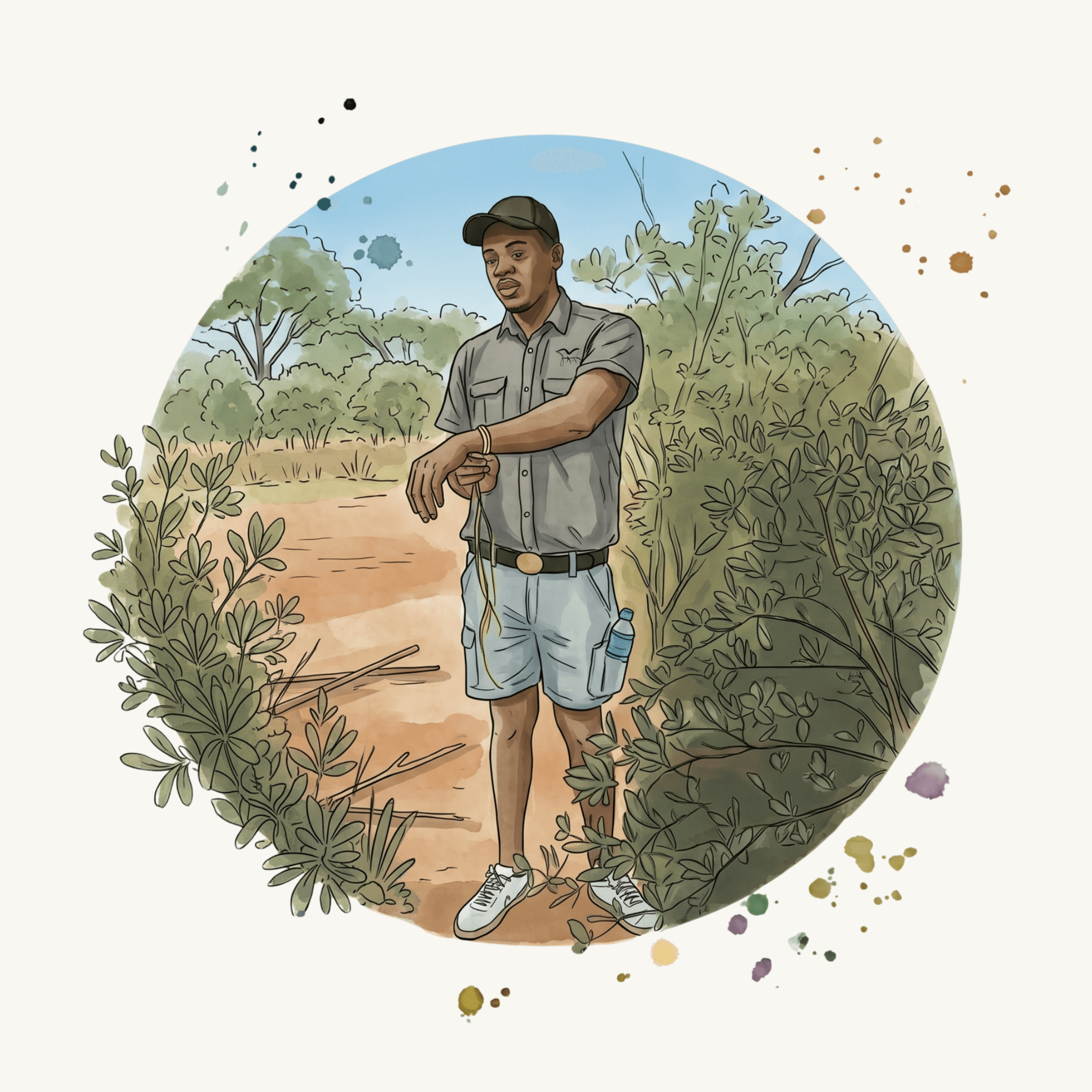
We are heading out for an early morning bush walk - a walking safari - in a private game reserve (with no predators, except for the possible presence of a leopard). The sun is up and it is already warm, though the temperature remains fairly comfortable. The stillness of the early morning is soothing, and I am excited about walking into the bush with guides who can read the signs of the wild and see what is invisible to others.
It does not take long before we get a lesson on how to read tracks; we conclude that a baboon family was here not long ago. Then we pass some acacias and learn that they have massive taproots reaching tens of meters deep to access groundwater. Because of this, these trees act as reliable indicators of underground water sources.
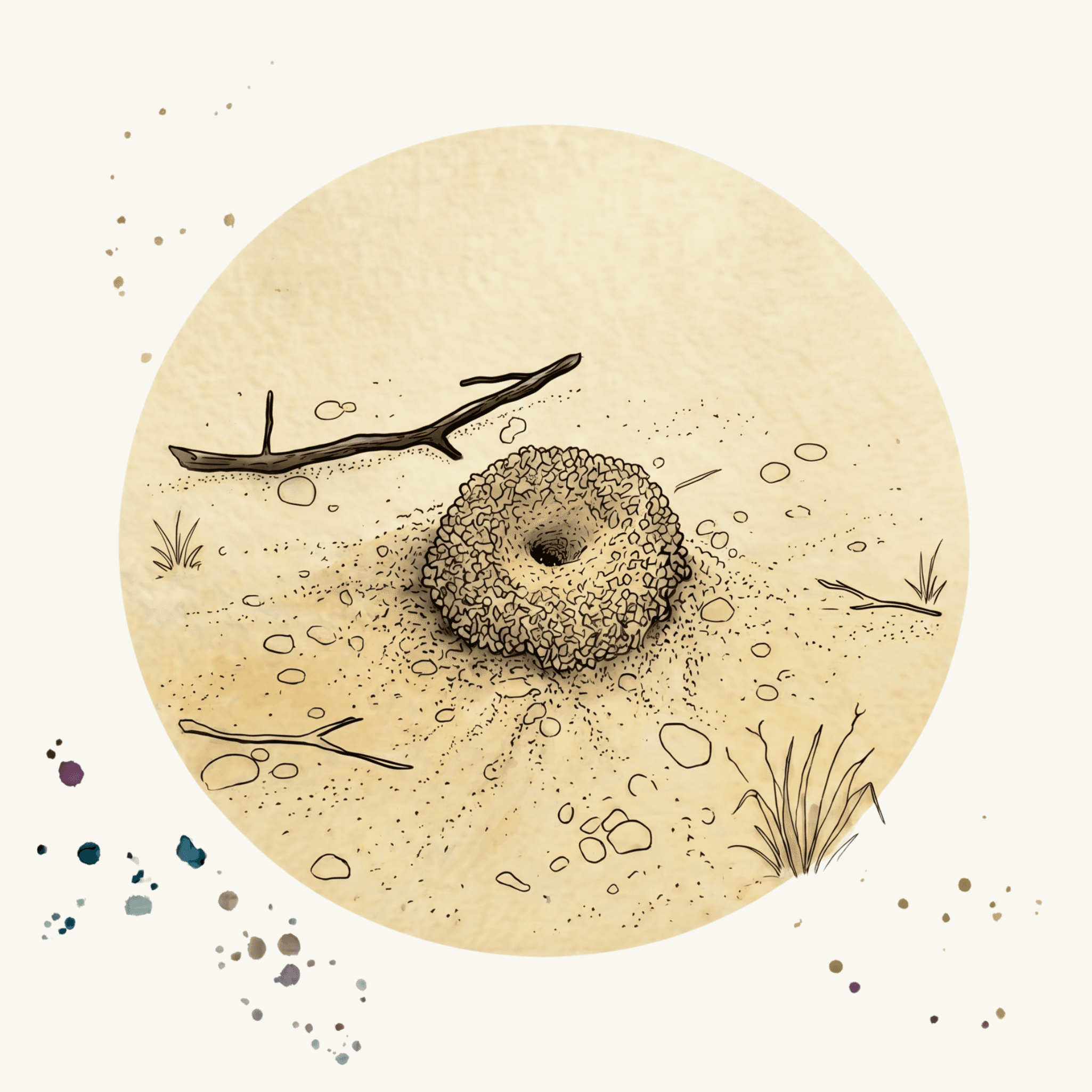
A tiny hole in the ground, surrounded by a small circular wall of sand, is - for those who can read the bush - a weather forecast delivered by nature itself. It is an ant’s nest, and the colony has prepared its home for rain. They build walls around the entrance to divert water flow. According to bush lore, this signals that it will rain within the next 48 hours. It is a fascinating display of the connection between the smallest life forms and the weather.
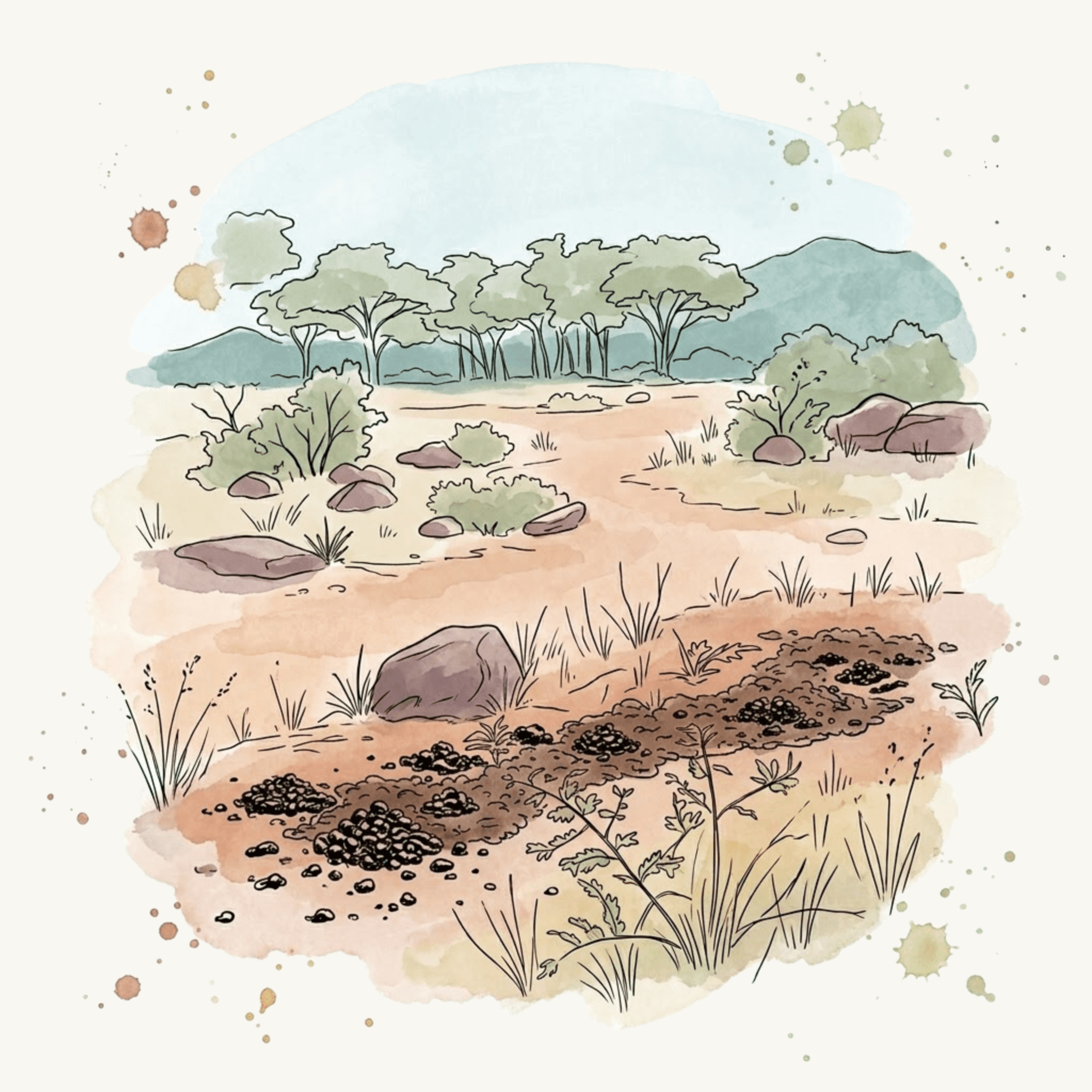
Our next encounter is a large collection of impala dung in the middle of the trail. It turns out that impalas return to the same spot every day to poop, often in an open area. It is called an impala midden and it is basically a communal impala toilet. The reason for this odd behavior is to mark territory and send a warning to potential rivals.
We keep walking further into the bush; the sun is more intense now, and the flies have started to become annoying. But there is so much more to learn. We are moving from observing the landscape to learning the tools of the wild. If you know what to look for, the wilderness can provide a rich apothecary.
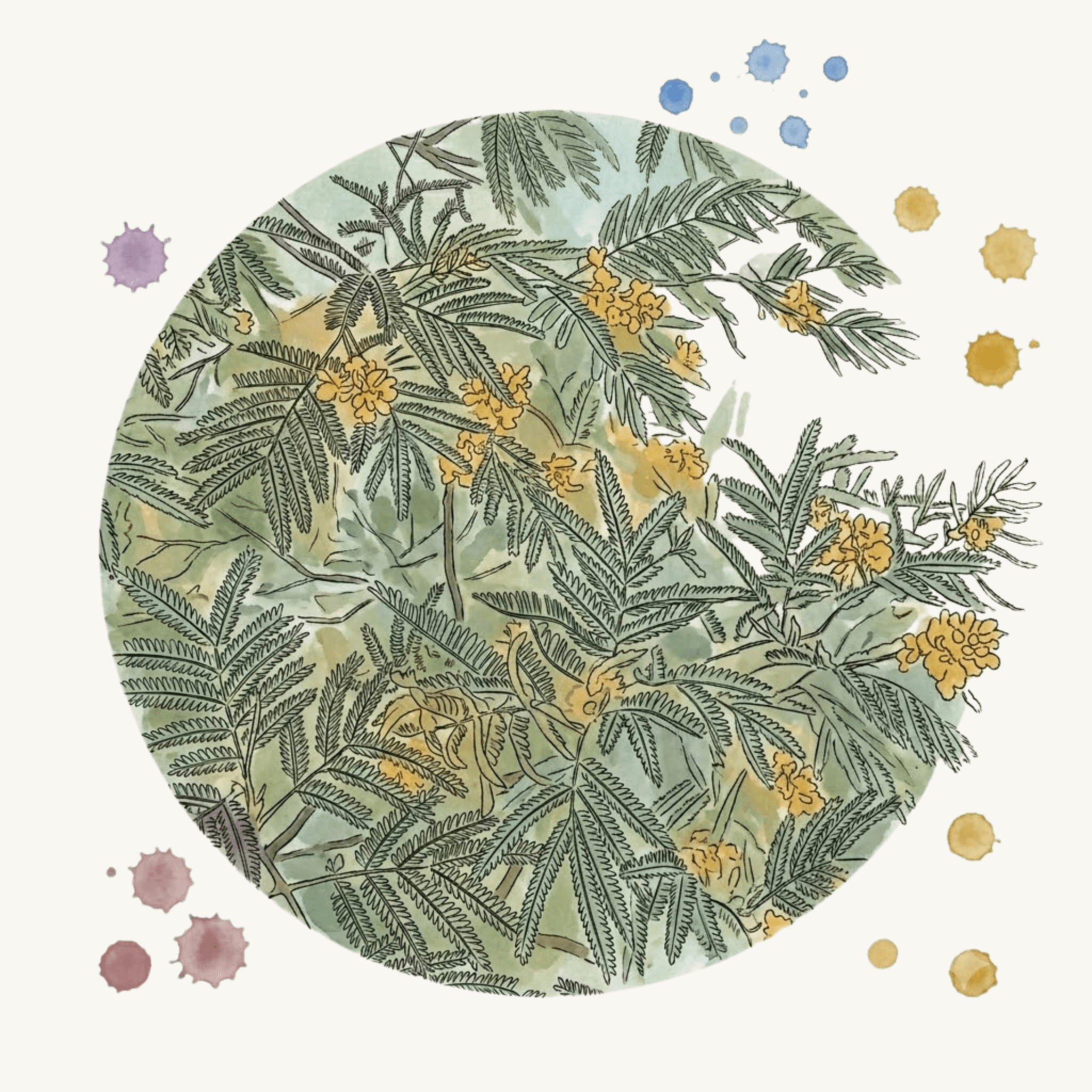
What could be more useful in the bush than knowing which tree is called the "toilet paper tree"? The leaves of this tree with the beautiful yellow flowers are feathery, soft, and finely textured. They have been used for ages in the bush as a functional alternative to toilet paper.
Moving on to the chemical side of the African bush, it is fascinating how many plants have evolved complex properties that humans have discovered and utilized over generations. Again, if you know your African flora, you can identify plants that serve as antibacterials to treat wounds and various skin conditions. They can promote healing, reduce pain, and lower the risk of infection. Some plants have leaves or roots that can be chewed to soothe a toothache, or crushed into a paste to reduce swelling or dull the pain of stings and bites.
While these plants have a long history of effective traditional use, they should be regarded as part of bush lore and traditional knowledge. Learning about these practical skills adds a deeper layer of connection to the landscape; you are no longer just an observer. Every bush has a purpose, every track has a story, and the ground itself can predict the future.
explore more in