
PRESENCE
Observe and Preserve

Before a visit to the African wilderness, one of your first concerns might be all the dangers you could encounter. Or perhaps those thoughts simply add to the excitement. You will spend many days in a more or less open vehicle, surrounded by an environment that is exotic, spectacular, and breathtakingly beautiful, yet, at the same time, undeniably dangerous. In most parts of the parks you visit, getting out of the vehicle is not an option, for your own safety.
You might imagine coming face to face with lions, finding a snake in your tent in Serengeti, or bumping into a slightly grumpy elephant that could easily flip over your safari jeep with you inside it.
A safari anywhere in the world will probably take place in a national park, a conservation area, or some kind of private game reserve. And for all these protected areas, a set of rules applies. These are rules designed to protect fragile ecosystems and to ensure visitor safety.
The safety aspect goes both ways, and both are equally important.
You, as a guest, should be safe - after all, it is not good for tourism if people are eaten by lions. But nature and its animals also need protection from us.
It can be difficult to witness a pride of lions chase down a young impala or a lost wildebeest calf wandering alone across the endless plains, knowing it is only a matter of time before it becomes someone's dinner. Yet we should never interfere with the circle of life.
We are merely visitors, invited to observe the wonders of nature. The playful cubs, the magical sunsets, and the harsh realities of survival that keep the ecosystem healthy and in balance.
Most people instinctively know they should not try to pet a lion. But what about that cute little tortoise wandering around just outside your lodge? It is small, harmless, and slow-moving. At first glance, it might seem tempting to pick it up for a quick selfie. That would be safe, wouldn't it? After all, you would place it back in exactly the same spot.
But did you know that simply picking up a wild tortoise can kill it?
When threatened or lifted off the ground, many tortoises would experience intense stress. As a defense mechanism, they often empty their bladder, releasing precious stored water. In the dry environments where they live, that water reserve can be essential for survival. Losing it may leave the animal unable to recover.
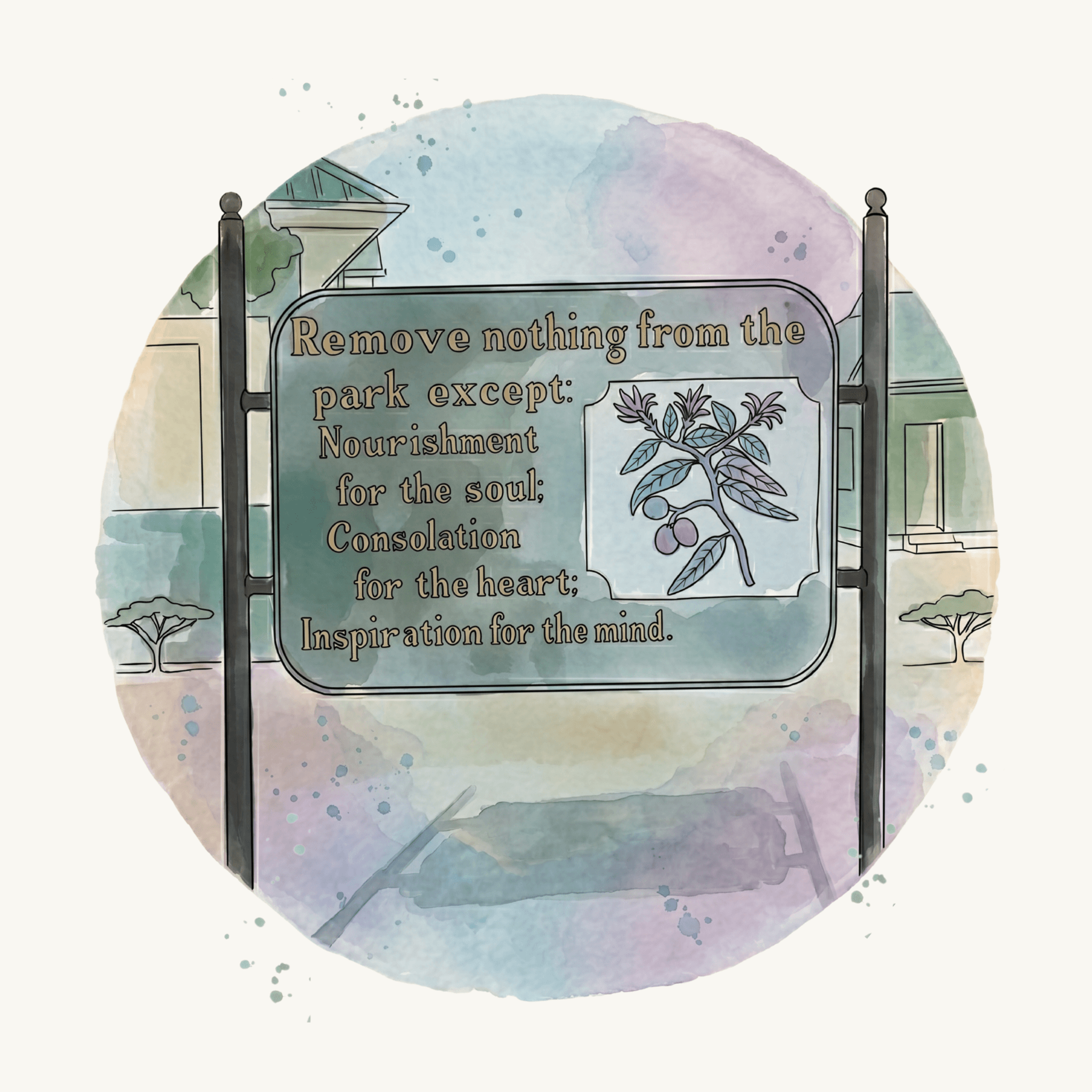
The rules exist for a reason. You should be safe during your visit, and the wildlife should remain safe and undisturbed by you. It is a delicate balance, one that requires us to keep a respectful distance to the world we have come to experience.
Leave the tortoise - and any other wild creature - alone.
When we choose to respect the boundaries of the wild, we remain guests, leaving nothing behind but our footprints and our gratitude, ensuring that the wild remains just as wonderful for those who follow.
explore more in